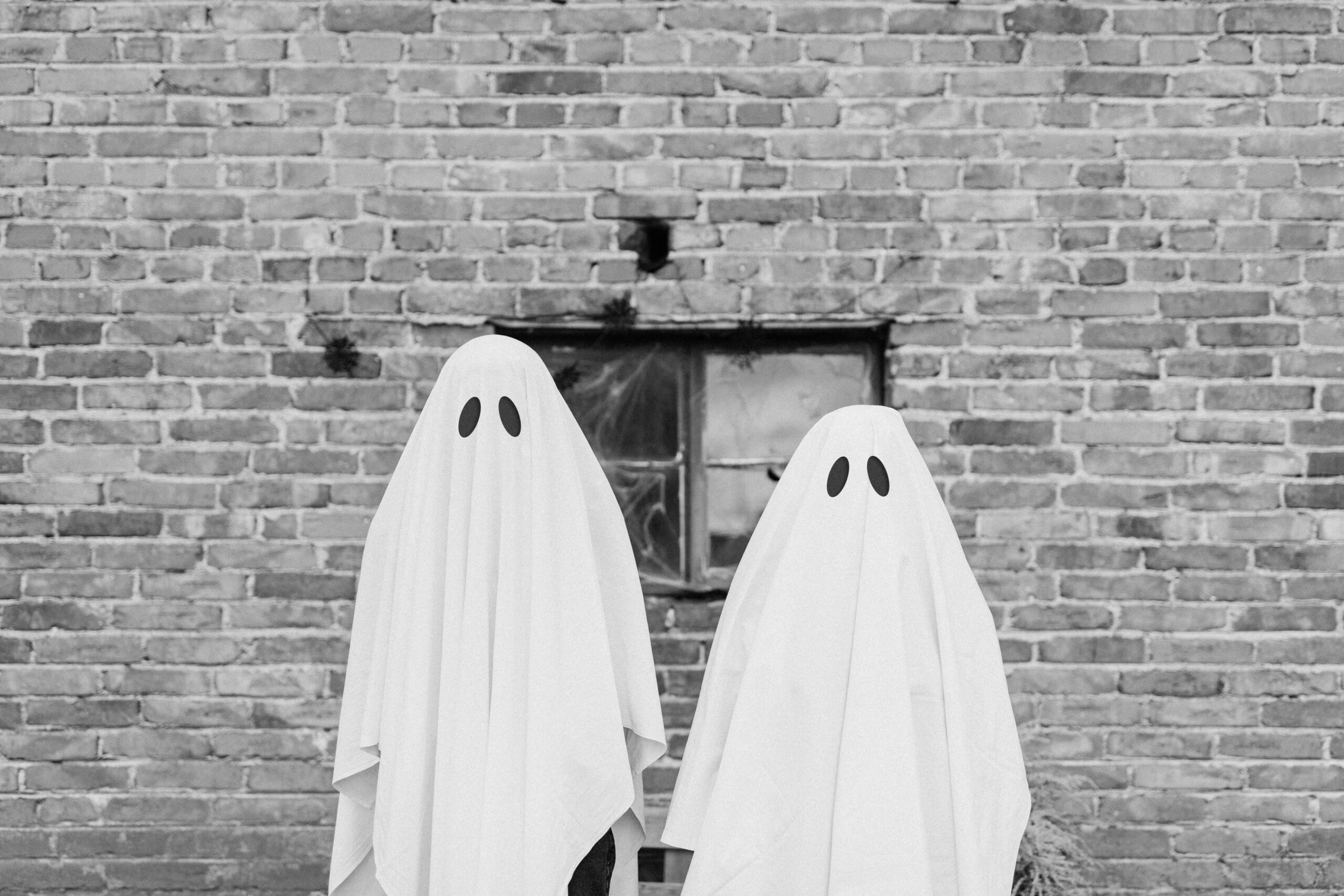
Halloween is the season of spooky stories, haunted houses, and things that go bump in the night. But did you know that sometimes, a lack of sleep can trick your brain into conjuring up scares of its own? Hallucinations – or rather, sensory glitches that we may pass off as hallucinations – can actually be a side effect of sleep deprivation. It is less about the supernatural and more about what happens when your brain runs on empty.
Sleep deprivation and hallucinations
When you do not get enough sleep, your brain struggles to distinguish between reality and imagination. After a few nights of poor sleep, people can start experiencing sensory glitches such as flashes of light or movement in their peripheral vision. If this lack of sleep continues, these “hallucinations” can become more vivid – like hearing voices or seeing figures that are not there. It is your brain misfiring, not a portal to the spirit realm.
Sleep is when the brain restores its balance of chemicals and processes the day’s experiences. Without that reset, parts of your brain involved in perception and emotion, like the occipital and temporal lobes, start to malfunction. The result? Shadows look like silhouettes, flickers of light feel eerie, and your mind fills in the blanks with “ghostly” figures. Your brain is simply trying to make sense of sensory input, but lacks the capacity to correctly interpret those signals.
Mixing reality and dreams
Interestingly, hallucinatory experiences are actually quite common during certain stages of our sleep cycle. Specifically in the REM stage and the transitory phase from sleep to wakefulness (1). Whether or not these experiences are deemed distressing depends on several factors, including how far they intrude into wakefulness (i.e. how long it takes to ‘shake it off’ once you’re awake). Sleep loss and disorders are thought to worsen this negative perception. In a similar vein, sleep onset, those moments when reality begins to unravel and distort as we slip into the first stage of sleep, light sleep, is thought to be a time of intense creativity and imaginative thought (2)(3).
The Sleep-Halloween connection
It is no wonder that sleep-deprived people throughout history have blamed restless nights on ghost sightings. In the eerie atmosphere of Halloween – with long nights, creepy stories, and sugar-fueled imagination – our tired brains are even more likely to play tricks on us. A lack of sleep amplifies fear responses, too, which makes those late-night creaks and flickering shadows feel a lot more sinister than they really are.
The good news? Chasing away these apparitions doesn’t require elaborate rituals with garlic and holy water – you just need good sleep hygiene. Aim for 7–9 hours a night, especially if you are prone to anxiety or tend to spook easily. Create a calming bedtime routine, avoid caffeine late in the day, and avoid scary movies and shows before bed. This Halloween, if you want to avoid seeing “ghosts,” your best defense might simply be turning off the lights and getting some proper rest.
Want more fun facts about sleep? Check out our article “10 weird and wonderful facts about sleep“.